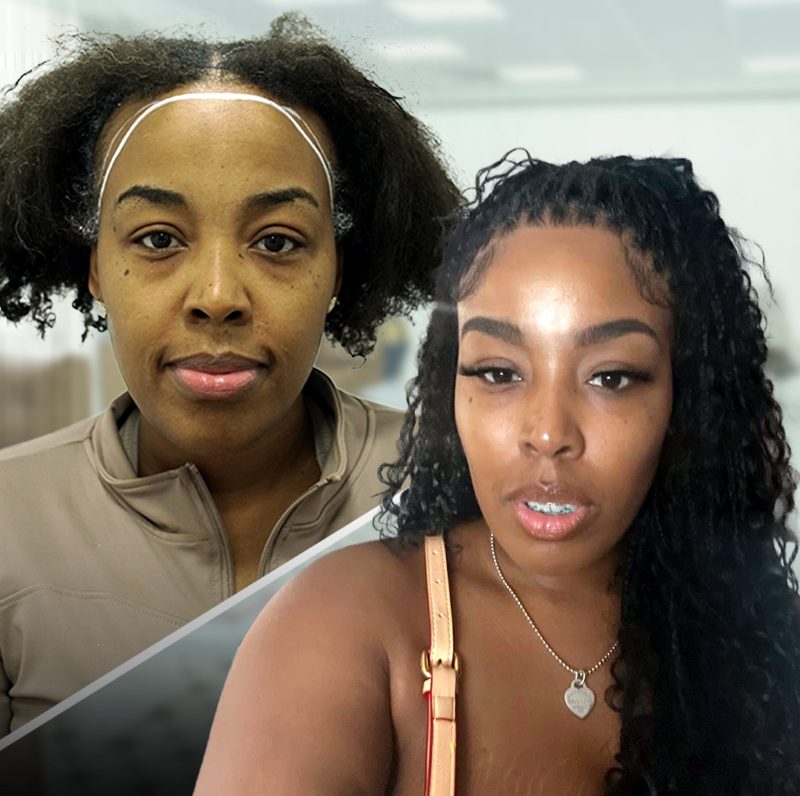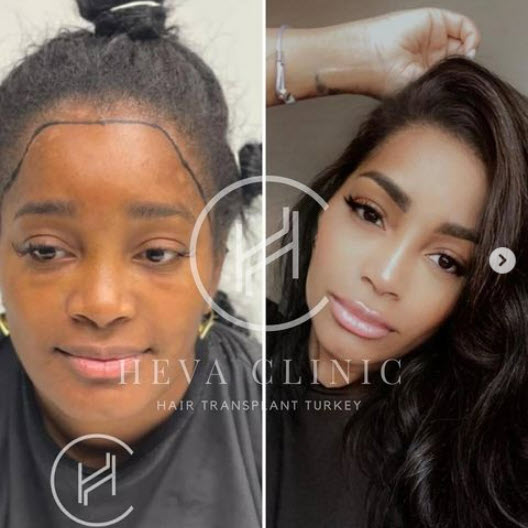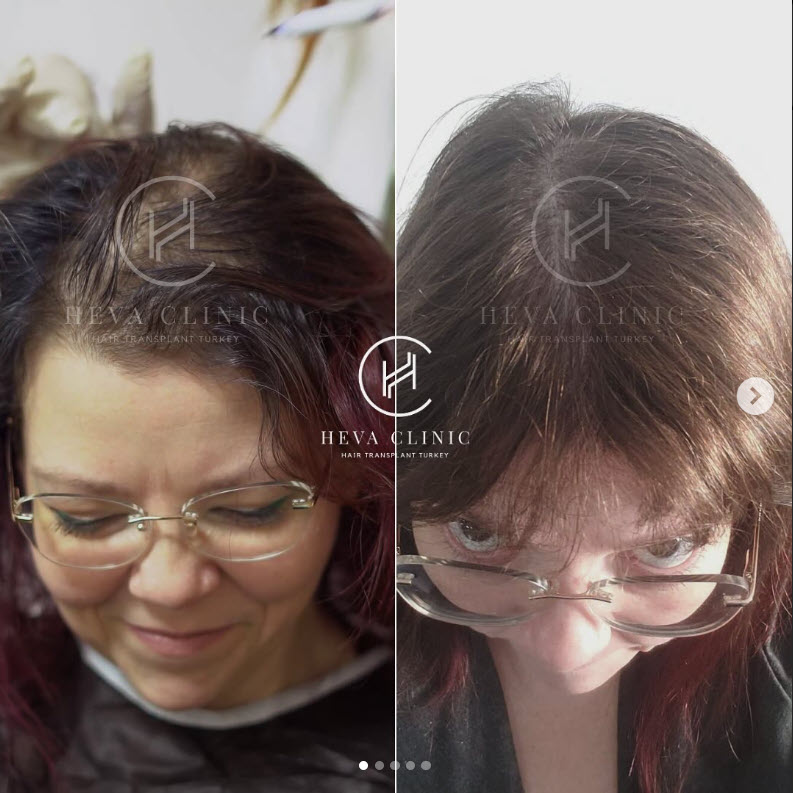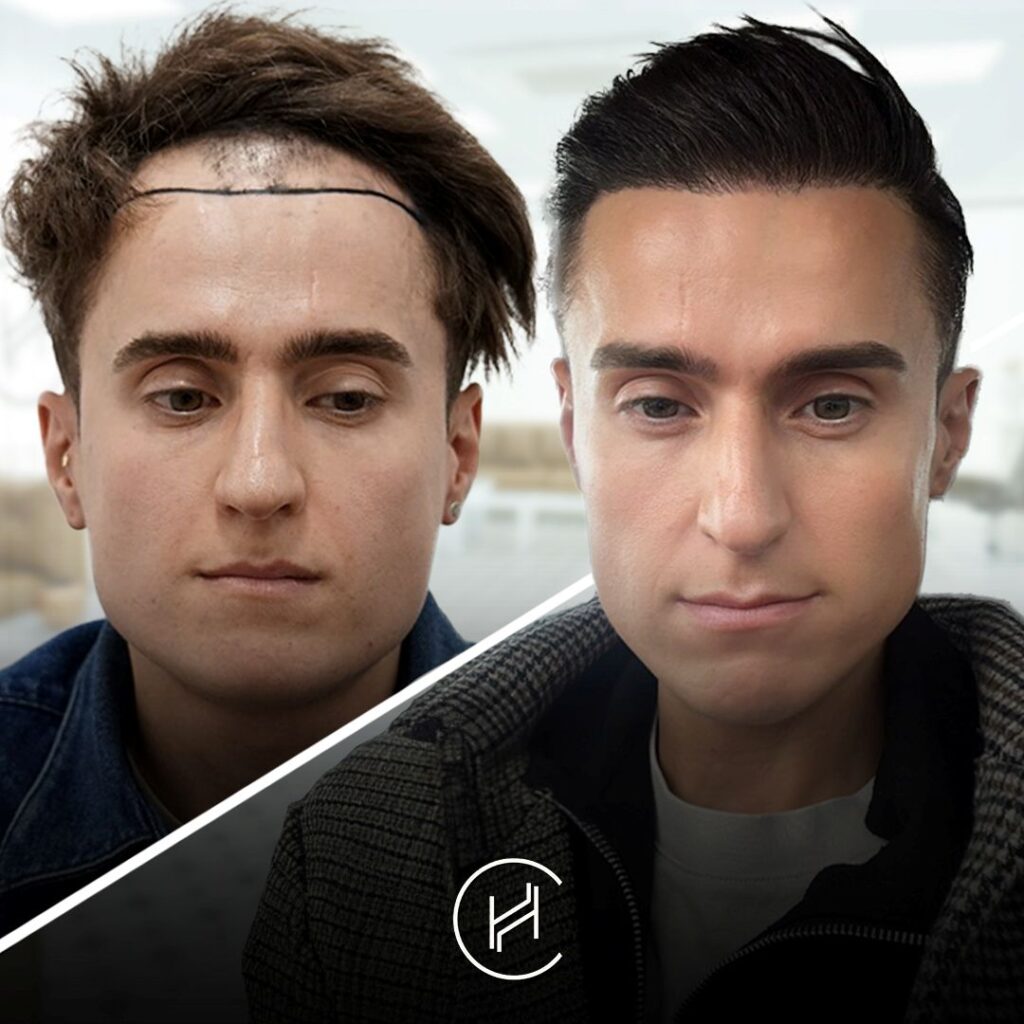

A Male-to-Female (MTF) transgender hair replacement is a surgical procedure aimed at feminizing one’s hairline, increasing hair density, and creating a typical feminine appearance of the hairline at the front and temples. It is one of the most gender-affirming procedures for transgender individuals.
This article explains MTF transgender hair replacement, including eligibility criteria, techniques, safety considerations, expected results timeline, and more.
Who Is an Ideal Candidate for An MTF Transgender Hair Transplant?

An ideal candidate for MTF transgender hair replacement is someone who:
Important Factors to Consider for Eligibility
Here are some criteria to help you determine whether you are an ideal candidate for MTF transgender hair replacement to ensure the results are safe and satisfying:
Your age and history of hormone therapy can affect your eligibility for MTF transgender hair replacement.
Many surgeons recommend waiting until you’ve been on feminizing hormone therapy for a certain period, as estrogen and anti-androgen medications can slow or even partially reverse male-pattern baldness. The waiting period helps stabilize hair loss before undergoing a transplant, reducing the need for major touch-ups in the future. [1]
It’s also important to consider the potential for future hair loss. If androgenic hair loss is still progressing, you may need additional transplant sessions or medical treatments to maintain results. Hence, young transgenders are often advised to wait until their androgenic hair loss has stopped progressing to ensure stable results with transgender hair replacement.
One of the most important aspects of hair transplantation is the donor area, typically the back and sides of the scalp, from which healthy hair grafts (follicles) are harvested. [2]
The density and thickness of this hair play a key role in determining the outcome. If the donor hair is thick and dense, you can achieve fuller coverage with fewer grafts. Hair texture should also be considered. Curly or coarse hair (Type 4) often provides more coverage compared to fine or straight hair.
The contrast between your hair and scalp color is another key factor. When the contrast is less, such as in the case of dark blonde hair on a light scalp, the transplanted areas may appear more natural, even if the density is slightly lower.
The flexibility and health of your scalp also influence the success of your transplant. Healthy, supple skin generally heals better and supports stronger graft survival.
Your surgeon will assess scalp laxity and elasticity to determine whether it can accommodate graft placement without excessive tension. Any existing scalp issues, such as dermatitis, psoriasis, or scarring from prior procedures, need to be addressed beforehand. [3]
Understanding the unique pattern of hair loss transgender is an important step in planning a natural-looking and feminine hairline.
Many MTF transgender people experience temple recession or a higher forehead, which can be softened through transplantation. The goal of feminizing hair restoration is to lower the hairline, fill in the temples, and create gentle, rounded curves instead of sharp, masculine angles. [4]
The surgeon will evaluate the extent of recession and design a hairline that complements your facial features and desired femininity.
A thorough review of your overall health is essential before any surgical procedure. Your surgeon will ask questions to know about any pre-existing medical conditions that might impact healing, such as bleeding disorders, diabetes, or autoimmune diseases.
Smoking, alcohol use, and medications like blood thinners can slow healing and reduce graft survival. Your doctor may advise you to change or stop some medications and recommend appropriate lifestyle strategies.
Gender transition procedures like hair transplantation are often deeply personal and emotional.
Hence, you should approach the process with realistic expectations and emotional preparedness. Also, the procedure may cause temporary shedding and mild swelling. There may also be the need for future second or third hair transplant sessions. These factors can be emotionally challenging if not anticipated. [5]
A supportive environment, counseling, or transgender health resources can make a huge difference in helping you navigate these challenges.
How Many Grafts Are Needed For A Male-to-Female Transgender Hair Transplant?
Typically, patients with biological male-pattern hair loss transgender need anywhere from 1,500 to 3,000 grafts. If the patient is not suffering from a hair loss and wants to achieve a more femenine hairline, they may need as few as 500 – 1000 grafts.
However, the number of grafts required for an MTF hair transplant can vary from person to person. Here are some factors that determine how many grafts you would need to achieve your desired look and level of femininity.
The number of grafts for MTF hairline surgery depends on which parts of the scalp need to be treated.
If the goal is only to lower the hairline and soften the temples, fewer grafts will be required than for covering a larger area, such as the entire front half of the scalp. In cases where there is significant hair loss or temple recession, more grafts will be needed to restore a natural, full appearance.
For example, for people who require full frontal coverage or have more advanced recession, as many as 4,000 or more grafts may be needed. If the recession is minimal, only a few hundred to about 1,000 grafts might be sufficient. [6]
The density, or thickness, of the hair you wish to achieve also plays an important role. Higher density transplants need more grafts to reduce visible scalp and create better coverage. This can be assessed via a virtual or physical consultation.
People with thicker and healthier donor hair often require fewer grafts to achieve more coverage. On the other hand, people with fine or sparse donor hair need more grafts to reach the same result.
Which Techniques Are Suitable for an MTF Transgender Hair Transplant?
There are several techniques for MTF hairline surgery available today, and the right one for you depends on your individual goals, scalp characteristics, and desired outcome.
Two main methods that are better suited for MTF transgender hair replacement include:
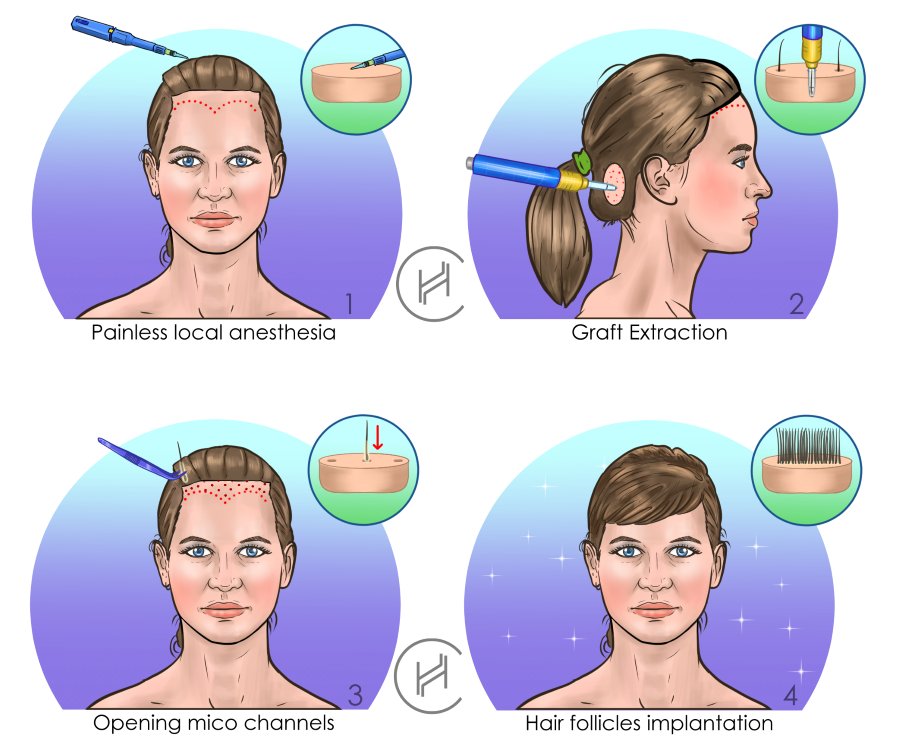
FUE (Follicular Unit Extraction) technique is one of the most popular modern methods used for transgender hair transplantation. In this technique, individual follicular units, which typically contain 1 to 4 hairs, are extracted one by one from the donor site and then implanted into recipient sites on the scalp. [7]
FUE leaves minimal visible scarring since no large incision or stitches are required. This makes it ideal for people who prefer short hair or want a less noticeable donor area.
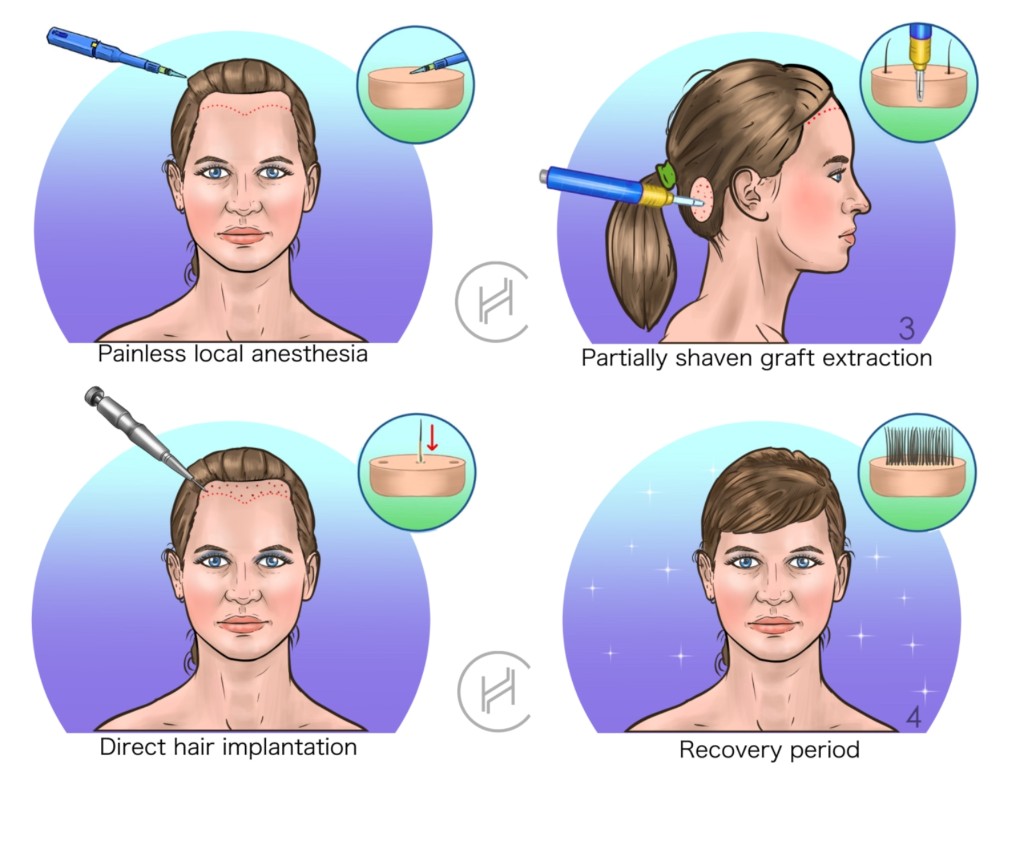
DHI (Direct Hair Implantation) technique is the second most common technique for MTF hairline surgery. This method uses specialized implanter pens to insert grafts directly into the scalp. This eliminates the need for pre-made incisions, allowing the surgeon to control the angle, depth, and direction of each implanted hair more precisely. [9]
DHI provides highly natural results, especially for visible areas like the frontal hairline and temples, where precise angle control is essential for achieving a feminine look. The technique may also reduce trauma to the scalp and promote faster healing.
In some cases, hairline feminization involves combining a hair transplant with a forehead reduction surgery to physically lower the scalp and reduce the size of the forehead.
Watch Dr. Yasin Ilgaz explain the difference between FUE and DHI
What Are the Steps of the Operation?
Here’s a quick overview of how a typical MTF hair transplant procedure is performed, step by step:
The process begins with a detailed consultation. The surgeon reviews your medical history, hormone therapy, medications, and any prior surgeries. Photographs are taken, and the donor area is examined to assess hair density and quality.
Together, you and your surgeon design the desired hairline, temples, and hair direction while discussing expectations, recovery, and possible scarring.
Before surgery, the donor area may be shaved – fully, partially, or minimally – depending on the method of transplant. Usually, local anesthesia is administered to numb the scalp. In some cases, mild sedation may be used to provide added comfort.
Hair follicles are harvested from the donor region using a suitable FUE punch tool. Each graft is handled carefully to preserve its viability by keeping it under moist, cool, and protected conditions.
Tiny incisions or microslits are created in the recipient area, usually the hairline and temples. The surgeon carefully determines the angle, depth, and direction of each slit to ensure the transplanted hair grows naturally and complements feminine facial features.
The extracted grafts are placed into the prepared recipient sites. More grafts are typically concentrated along the hairline and temples to create a soft, natural gradient and smooth transition to existing hair.
After implantation, the scalp may be bandaged or lightly dressed. The surgeon provides detailed aftercare instructions on washing, sleeping position, and medication to promote healing and prevent infection.
How Long Does The Procedure Take?
Smaller sessions for hairline or temple areas involving up to 1,000 grafts usually take 4 to 5 hours, while larger procedures involving 2,000 to 3,500 grafts may last 6 to 10 hours. The duration may be spread over multiple sessions.
How Much Does an MTF Transgender Hair Transplant Cost?
The cost of an MTF hair transplant varies widely depending on the country, the reputation of the clinic, the number of grafts, and the technique used. Globally, prices range from around $4,000 to over $15,000. However, Turkey stands out as a more affordable and high-quality destination.
MTF Transgender Hair Transplant Cost in Turkey
In Turkey, many top-rated clinics offer advanced FUE or DHI transplants at $2,500 to $3,500. Factors such as the surgeon’s experience and expertise, the clinic’s location, and add-ons or follow-up care can influence the final cost.
Still, Turkey and Heva Clinic generally provides the best value for international patients seeking professional results at lower prices.
What To Expect Before And After Surgery
Here’s what you can expect before the procedure and during your recovery in the short and long term.
Before surgery, several preparations are essential. First, medical and lab tests are done to check for conditions like anemia, infections, or hormonal imbalances. Next, the surgeon performs a hair and scalp evaluation and plans the hairline design based on the desired feminine look.
Surgeons should also review the patient’s hormonal therapy and medications and recommend changes in current treatments and dosages, as needed, to ensure proper healing.
Most importantly, lifestyle strategies like quitting smoking and limiting alcohol must be adopted before the surgery and continued after the procedure to support a smooth recovery.
In the first few days after an MTF hair transplant, the scalp may feel tender, swollen, or slightly painful. Your surgeon might prescribe medications to relieve these symptoms and improve comfort.
Regular monitoring for infection or unusual bleeding is crucial during this phase.
During this period, grafts must be handled gently, with careful washing and proper sleeping positions to avoid disturbance. Physical activities like heavy exercise, swimming, or direct sun exposure should be avoided until cleared by the surgeon.
Following post-op instructions advised by your doctor regarding these activities can help ensure the best results.
It’s normal for the transplanted hairs to shed within the first few weeks after surgery. This process is known as “shock loss.” However, the roots of transplanted hair remain intact.
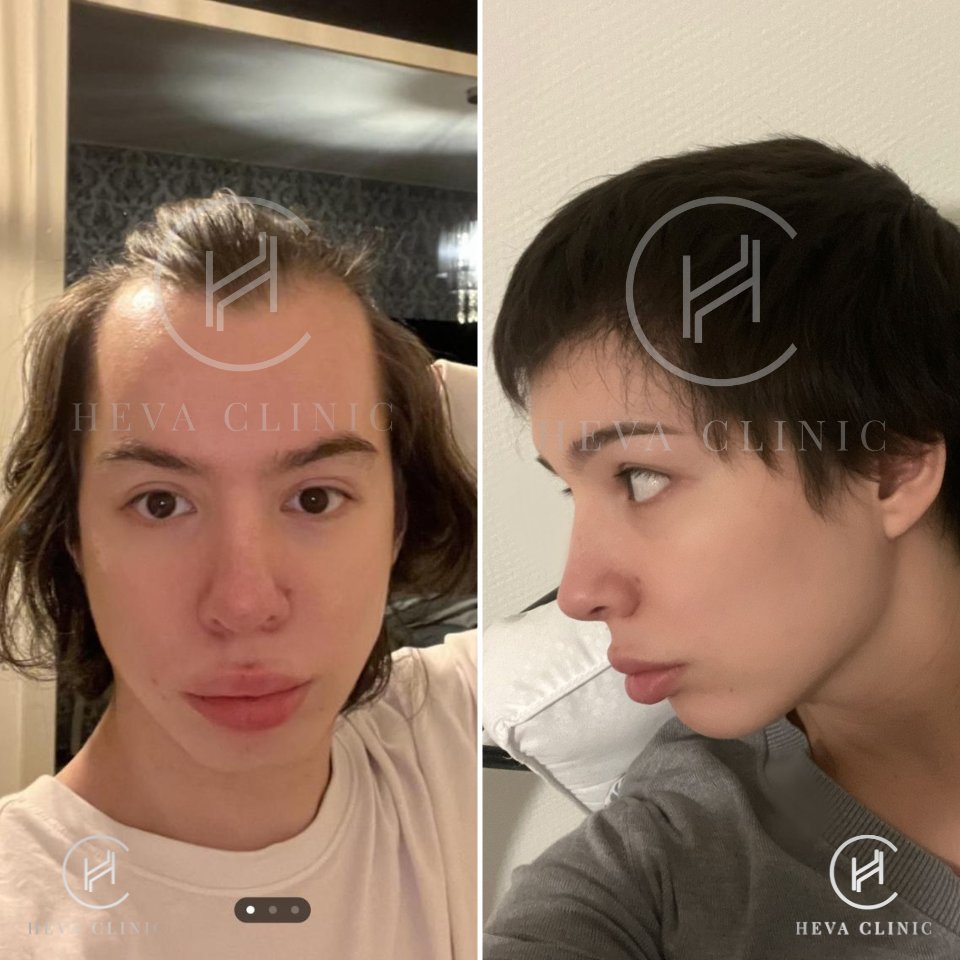
New hair growth typically begins around 3 to 4 months, while gradual thickening and fuller results are visible between 9 and 12 months. Some patients may need touch-up sessions to refine density or adjust the hairline shape.
Regular treatments and maintenance, including hormone therapy (if applicable), proper scalp care, and topical treatments, can support the health of existing hair. Maintaining a healthy diet and lifestyle is also essential to promote long-term growth and hair vitality.
How safe is it?
Hair transplant is generally safe when performed by qualified surgeons in reputable clinics. But as with any surgical procedure, it may involve some risks and side effects, especially when not conducted by an experienced team.
Some potential risks include: Infection at donor or recipient sites, bleeding or prolonged swelling, scarring, poor graft survival, unnatural hair direction or angle, leading to a less natural appearance, and overharvesting the donor area, leading to thinning or cosmetically noticeable changes in the donor area.
It is possible to avoid or reduce these risks by choosing an experienced clinic/surgeon in MTF hair transplants and feminization procedures. Proper preoperative evaluation, sterile technique, and diligent post-op care play a key role in preventing these complications.
Conclusion
An MTF transgender hair replacement is a powerful tool in gender affirmation, especially for feminizing hairlines, filling temples, and increasing overall scalp density.
The right candidate for MTF hairline surgery has realistic expectations, good donor hair, good general health, and works with a surgeon experienced in this procedure. There are a number of techniques for MTF transgender hair replacement, each with pros and cons, depending on your individual needs.
If you are considering MTF transgender hair replacement, you can get in touch with our hair transplant experts and book your operation at Heva Clinic in Istanbul, Turkey.
References:
- https://pubmed.ncbi.nlm.nih.gov/39153870/
- https://www.ncbi.nlm.nih.gov/books/NBK547740/
- https://pmc.ncbi.nlm.nih.gov/articles/PMC8719951/
- https://pmc.ncbi.nlm.nih.gov/articles/PMC5367483/
- https://pmc.ncbi.nlm.nih.gov/articles/PMC12458453/
- https://pmc.ncbi.nlm.nih.gov/articles/PMC8611706/
- https://pmc.ncbi.nlm.nih.gov/articles/PMC8202483/
- https://pubmed.ncbi.nlm.nih.gov/31624428/
- https://pmc.ncbi.nlm.nih.gov/articles/PMC3764754/