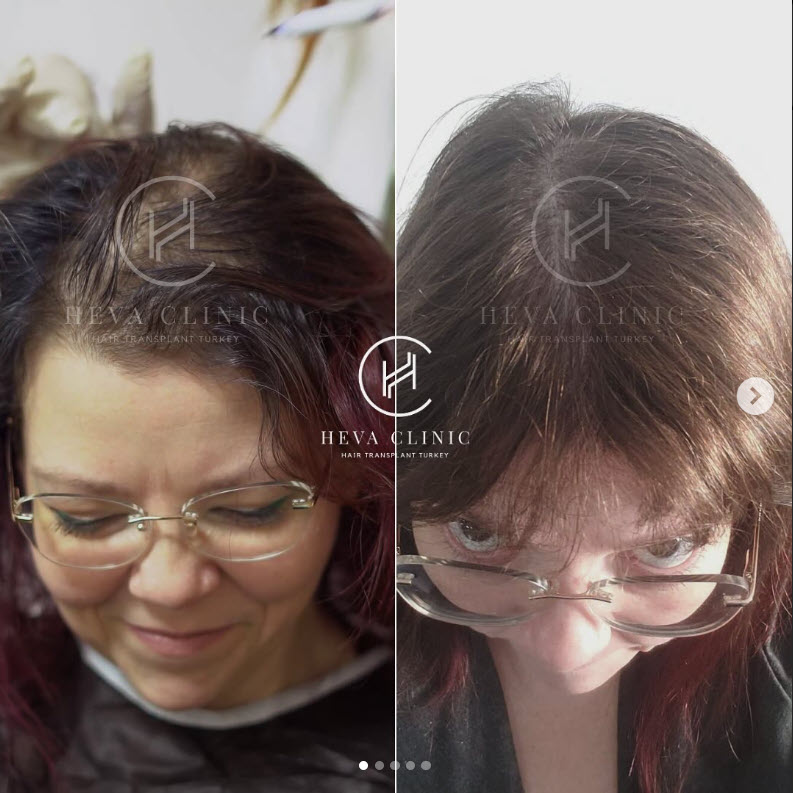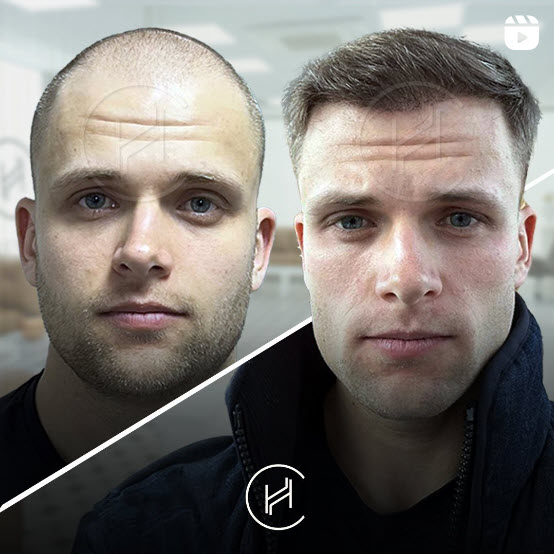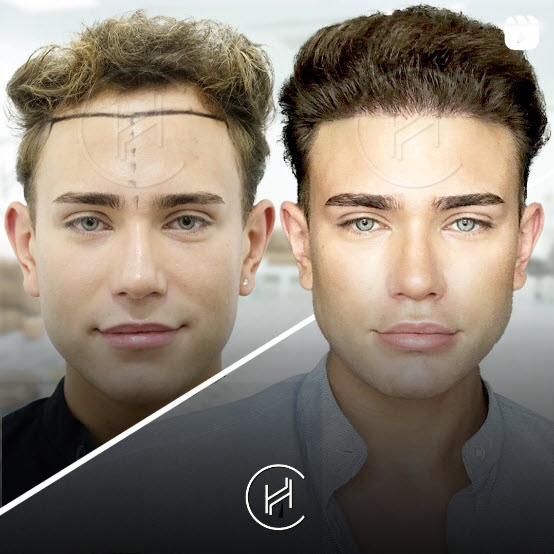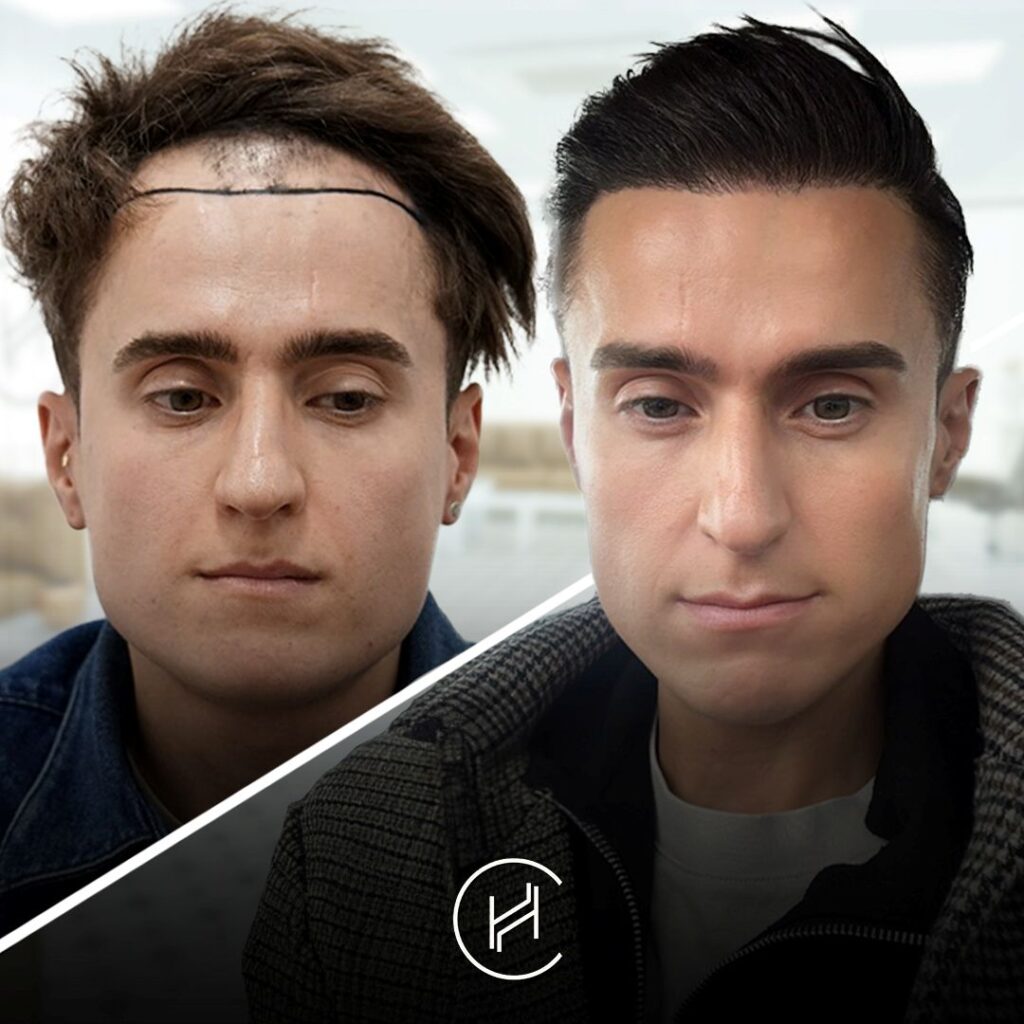
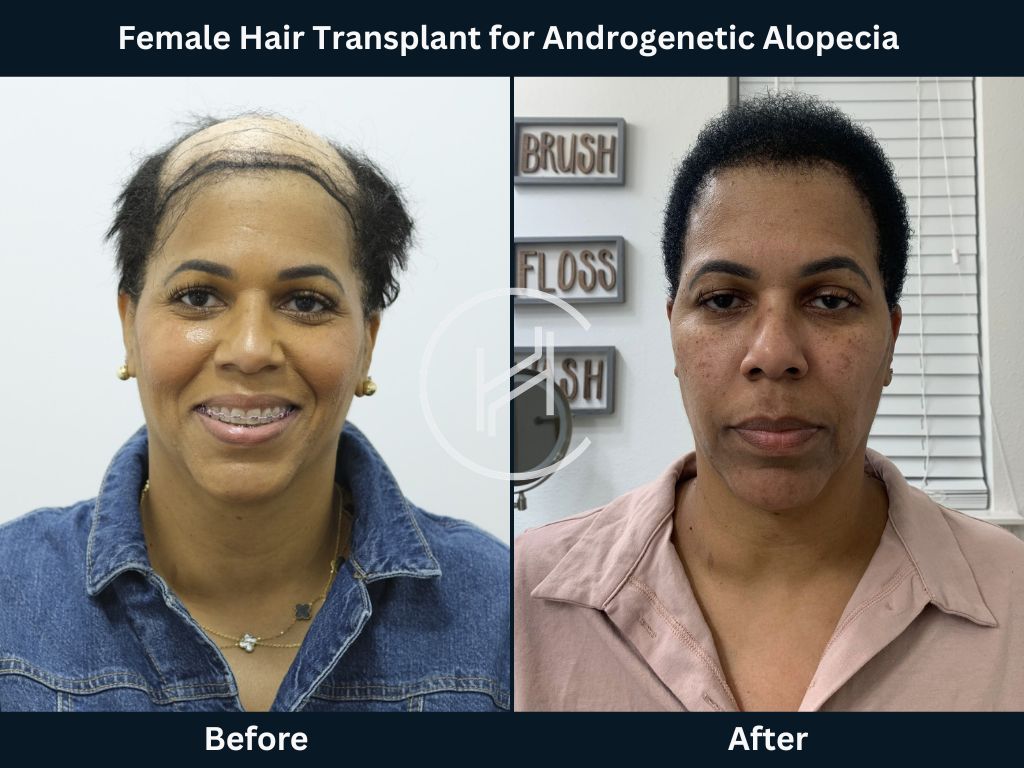
Androgenic alopecia, commonly referred to as male-pattern baldness or female-pattern hair loss, is a progressive condition that affects millions worldwide. It is not merely a cosmetic concern as it can also impact the self-esteem and emotional well-being of a person to a great extent.
As medical science advances, one solution that continues to offer promise and proven results is hair transplantation.
This blog we offer a comprehensive exploration of hair transplants as a treatment for androgenic alopecia, including who it’s suitable for, how it works, associated costs, and alternative solutions.
What Is Androgenic Alopecia?
Androgenic alopecia, also known as androgenetic alopecia, is a common and genetically inherited form of hair loss that occurs due to the sensitivity of hair follicles to androgens, particularly dihydrotestosterone (DHT), which is a potent derivative of the male hormone testosterone. [1] [2]
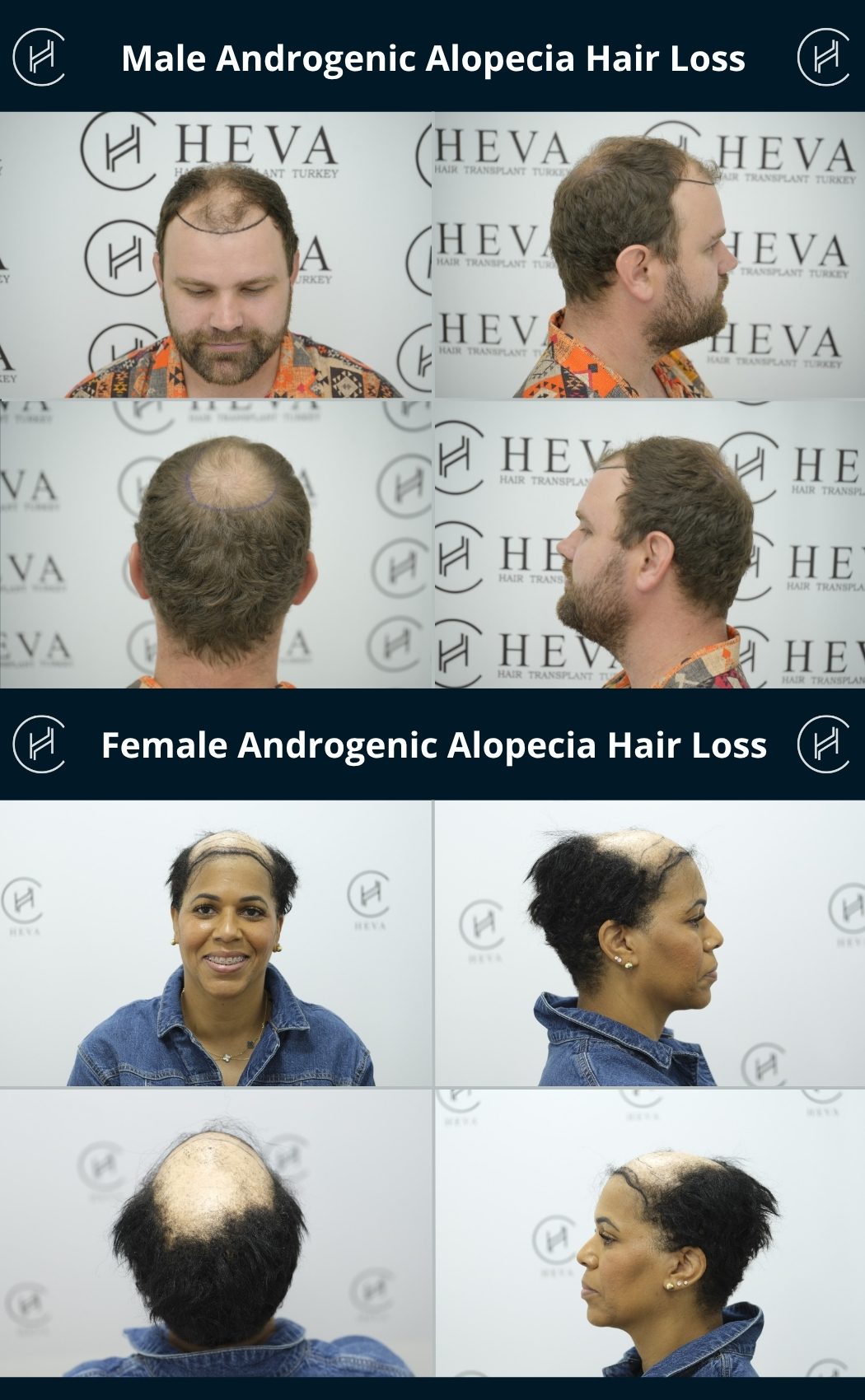
The sensitivity to androgens causes the hair follicles to shrink or “miniaturize” over time, resulting in the growth of thinner and shorter hair strands, eventually ceasing to produce visible hair altogether.
This condition is characterized by a distinct pattern of hair loss that affects both men and women.
In men, androgenic alopecia typically becomes noticeable as a receding hairline at the temples, followed by thinning at the crown, resulting in a characteristic “M” shape. Over time, these areas tend to merge, leading to extensive baldness.
In women, however, the condition tends to present as a diffuse thinning over the top of the scalp, especially around the parting area. The frontal hairline may remain intact.
This gender-specific variation is why the condition is also referred to as “male-pattern baldness” or “female-pattern hair loss.” [3] [4]
The onset and progression of androgenetic alopecia are influenced by genetic predisposition and hormonal changes. In men, symptoms may begin as early as the late teenage years or early twenties. In women, androgenic alopecia is more likely to emerge during or after menopause when estrogen levels drop, allowing androgens to exert a stronger influence on the hair follicles.
Androgenic alopecia is not a rare condition. It is, in fact, the most prevalent cause of hair loss worldwide. It is estimated that approximately 50% of men will experience some degree of androgenic alopecia by the age of 50. Among women, nearly 40% over the age of 40 show visible signs of thinning due to this condition. [2]
Though androgenic alopecia is not medically dangerous, it can create a negative impact on the psychological health and self-esteem of a person, making timely diagnosis and management essential.
Can I Reverse My Androgenic Alopecia?
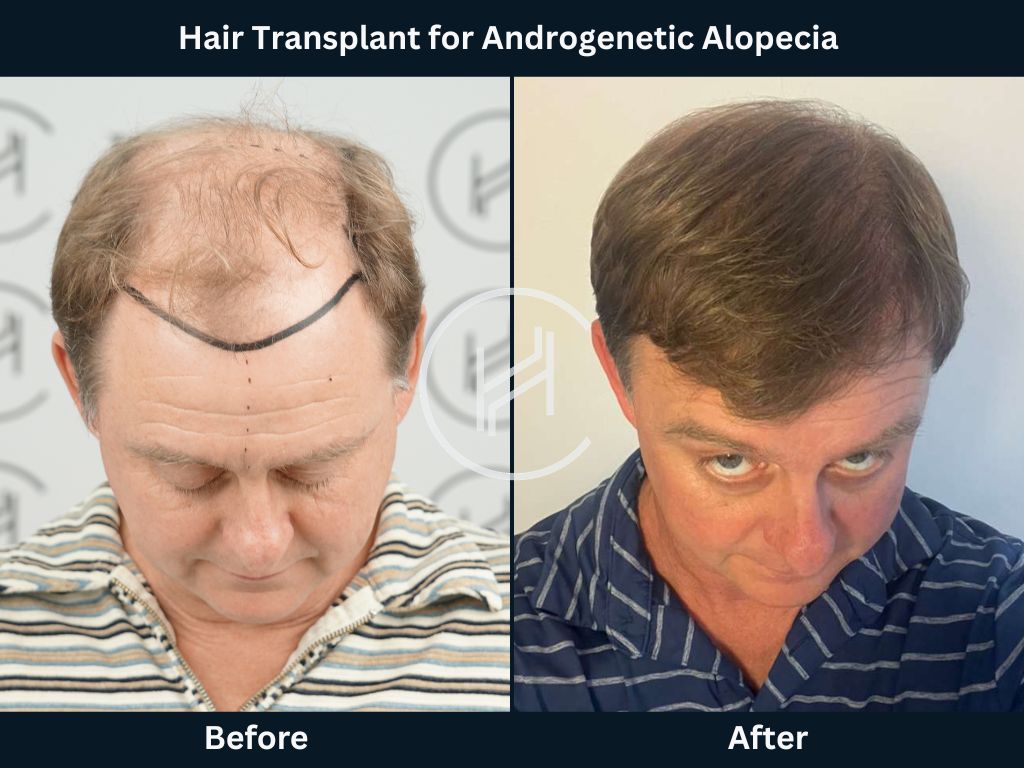
While androgenic alopecia is irreversible in a natural sense, early intervention can slow or partially reverse hair follicle miniaturization.
The initial treatment of this condition usually involves the use of FDA-approved medications such as minoxidil (a topical vasodilator) and finasteride (an oral DHT blocker). These treatments are most effective in the early to moderate stages of hair loss. [5] [6]
However, once the follicles are permanently damaged or have stopped producing hair, pharmacological intervention becomes insufficient. In such cases, surgical intervention through hair transplantation remains the most viable solution for restoring lost hair.
Is Hair Transplant a Good Solution for Androgenic Alopecia?
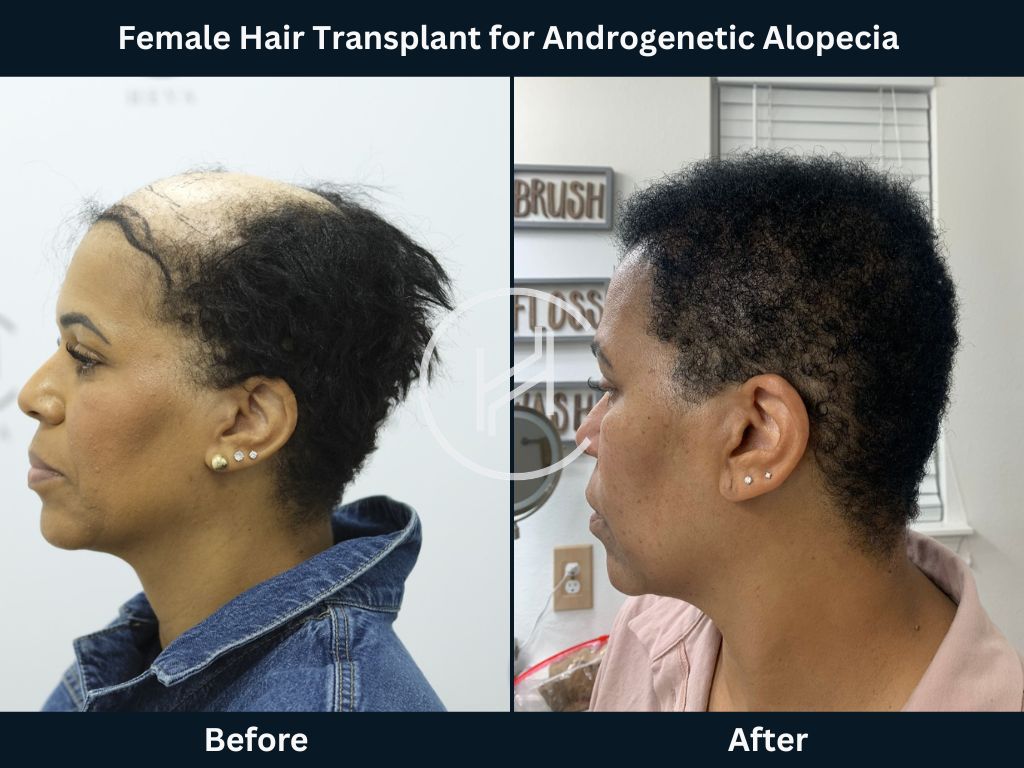
Yes, a hair transplant can be an excellent and often permanent solution for androgenic alopecia, particularly for people who have a stable pattern of hair loss and an adequate supply of healthy donor area.
This surgical procedure is especially effective for restoring hair in areas where follicles have become completely inactive and unresponsive to medical treatments. [7]
Unlike topical or oral medications, which primarily aim to slow down the progression of hair loss or stimulate thinning hairs, a hair transplant physically relocates healthy, DHT-resistant hair follicles.
These follicles, called hair grafts, are typically harvested from the back or sides of the scalp and are transplanted into the balding or thinning areas. These transplanted follicles retain their resistance to DHT, allowing them to grow hair permanently in their new location. As a result, patients often experience a natural-looking, fuller head of hair that lasts for years.
When performed by a skilled and experienced surgeon, hair transplantation offers a long-term, low-maintenance solution with highly satisfying cosmetic outcomes. [8]
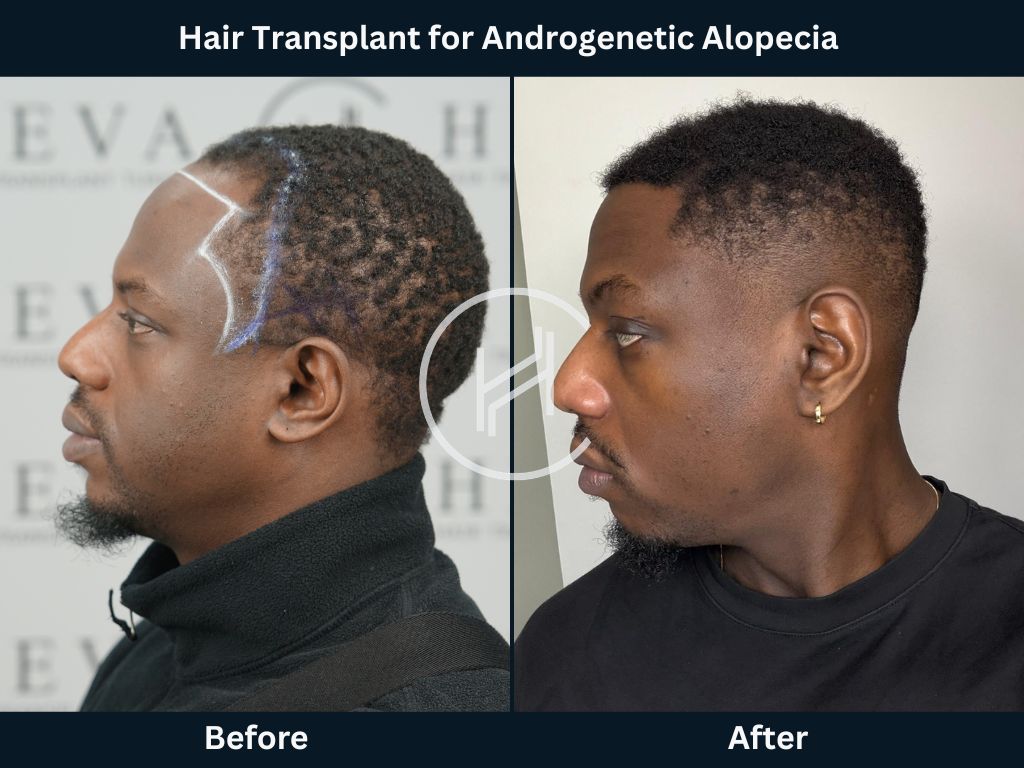
Who Is a Good Candidate for Androgenic Alopecia Hair Transplant?
Most people affected by androgenic alopecia are good candidates for a hair transplant, but not every patient is suitable.
The ideal candidate typically exhibits a stable pattern of hair loss that is no longer rapidly progressing. This is crucial, as transplanting hair into areas that continue to thin or bald can result in unnatural patterns or necessitate additional procedures in the future. This is why younger patients experiencing aggressive hair loss are often advised to postpone surgery until their hair loss stabilizes.
In addition, the density and quality of the donor area directly influence the achievable coverage and final aesthetic result.
Hence, an adequate supply of healthy donor hair, preferably from the back or sides of the scalp, where follicles are genetically resistant to DHT, is another key factor to consider when deciding whether a hair transplant can be an option.
Plus, candidates should also be in good general health, as certain medical conditions (such as uncontrolled diabetes, bleeding disorders, or autoimmune diseases) may interfere with the healing process or increase the risk of complications. Additionally, psychological readiness is essential. It is important to have realistic expectations about the outcomes in terms of hair density, coverage, and the natural growth cycle.
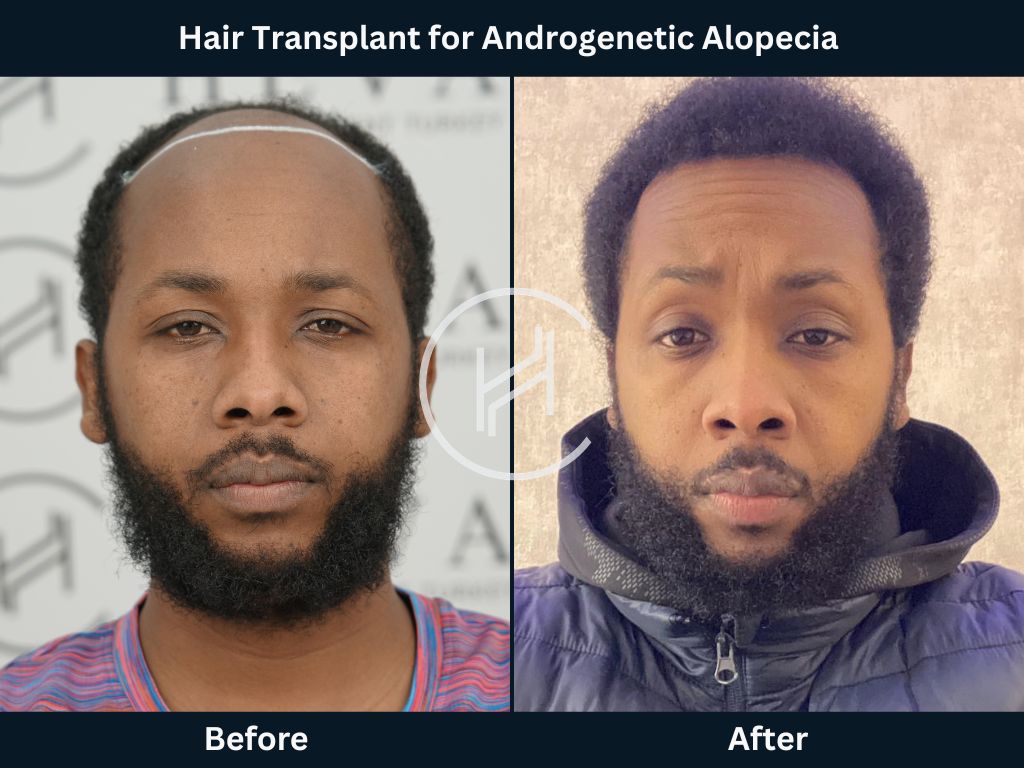
Which Technique Is Better for Androgenic Alopecia Hair Transplant?
There are two primary techniques used in hair transplantation, called FUE and DHI.
FUE (Follicular Unit Extraction) involves the individual extraction of follicular units using a micro-punch tool, leaving minimal scarring and allowing quicker recovery. This technique is more suited for patients seeking a less invasive procedure with minimal downtime. [10]
DHI (Direct Hair Implantation), is a variation of the FUE technique. In DHI, hair follicles are also extracted individually, but they are implanted using a special implanter pen. This allows the surgeon to place the grafts directly into the recipient area with precise control over angle, depth, and direction. DHI can be especially useful for patients who need detailed hairline work, density enhancement, or implantation between existing hairs.
Choosing between FUE and DHI depends on several factors, including the extent of androgenic alopecia, donor area quality, desired density, hairline design, graft number, and the surgeon’s recommendation. FUE may be more suitable for larger areas, while DHI may offer more precision in selected cases. In many patients, both techniques can also be combined depending on the treatment plan.
For patients with curly hair (type 3 and type 4), Afro hair transplant technique selection requires additional expertise because curly follicles may curve beneath the skin. This makes careful graft extraction, punch angle, donor management, and implantation direction especially important.
How Much Does Androgenic Alopecia Hair Transplant Cost?
The cost of a hair transplant for androgenic alopecia can vary significantly depending on multiple factors, including:
In the United States, the procedure can be considerably expensive, often ranging from $4,000 to $15,000, depending on the clinic and complexity.
Turkey, on the other hand, has emerged as a global hub for high-quality, affordable hair transplants, particularly for androgenic alopecia. The cost in Turkey typically ranges from $2,200 to $4,000 for 2,000 to 4,000 grafts, making Turkey country a preferred destination for the treatment of androgenetic alopecia.
The country performs thousands of successful hair transplants annually, attracting patients from Europe, the Middle East, and even North America.
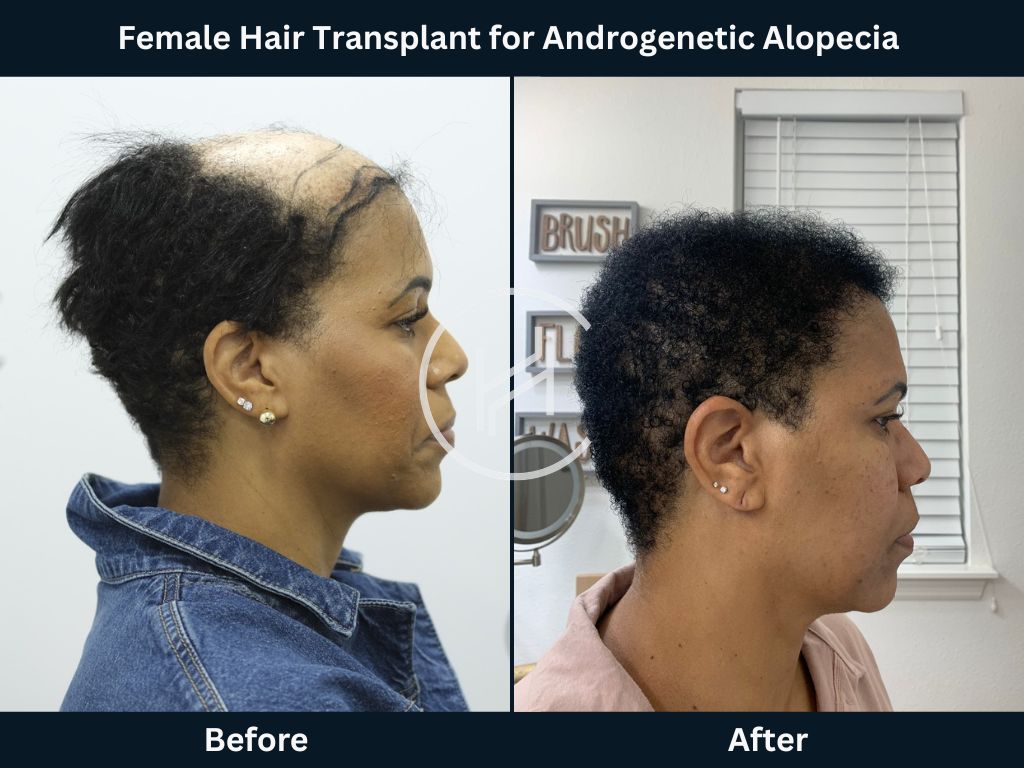
Is There a Permanent Cure for Androgenic Alopecia Other Than Hair Transplant?
Currently, there is no universally accepted permanent cure for androgenic alopecia other than hair transplantation.
All other treatments, including medications and non-surgical therapies such as Regenera Activa Mesotherapy, may only slow down the hair loss and require a long-term commitment to maintain the results. Also, they do not offer definitive restoration of lost hair.
Can PRP Stop Androgenetic Alopecia?
Platelet-rich plasma (PRP) hair therapy is a non-surgical treatment that uses the patient’s own blood components to stimulate hair growth. The process involves drawing a small amount of blood, centrifuging it to concentrate the platelets, and injecting it into the scalp, where hair loss is occurring.
PRP contains growth factors, such as platelet-derived growth factor and vascular endothelial growth factor, which promote the healing and regeneration of hair follicles.
Clinical studies and anecdotal evidence suggest PRP can be effective in the early stages of androgenic alopecia. It helps increase hair diameter, reduces hair shedding, and may prolong the anagen (growth) phase of the hair cycle. However, PRP does not regrow hair in fully bald areas, making it unsuitable as a standalone treatment for advanced stages of androgenic alopecia. [11]
Also, PRP requires multiple sessions, usually monthly for 3 to 6 months, as well as ongoing maintenance treatments every 6 to 12 months to sustain results. Therefore, PRP is viewed more as a supportive therapy rather than a replacement for hair transplantation for people with significant hair loss.
Conclusion
Hair transplantation offers a scientifically sound and cosmetically rewarding option for men and women with androgenic alopecia. While not a one-size-fits-all procedure, it remains the most definitive solution for those with irreversible hair loss.
Combined with early diagnosis, medical management, proper aftercare, and lifestyle modifications, hair transplant surgery can deliver both aesthetic satisfaction and psychological relief.
If you are experiencing progressive hair loss and suspect androgenic alopecia, consult a hair restoration specialist or clinic for a medical consultation. With a proper diagnosis and personalized treatment plan, regaining your hair – and confidence – can be well within reach.
- https://pubmed.ncbi.nlm.nih.gov/37823040/
- https://pubmed.ncbi.nlm.nih.gov/28613674/
- https://pmc.ncbi.nlm.nih.gov/articles/PMC6322157/
- https://pubmed.ncbi.nlm.nih.gov/40568688/
- https://pubmed.ncbi.nlm.nih.gov/34741573/
- https://pubmed.ncbi.nlm.nih.gov/34291720/
- https://pubmed.ncbi.nlm.nih.gov/31613520/
- https://www.ncbi.nlm.nih.gov/books/NBK547740/
- https://pmc.ncbi.nlm.nih.gov/articles/PMC2956961/
- https://pubmed.ncbi.nlm.nih.gov/31624428/
- https://pubmed.ncbi.nlm.nih.gov/32295047/