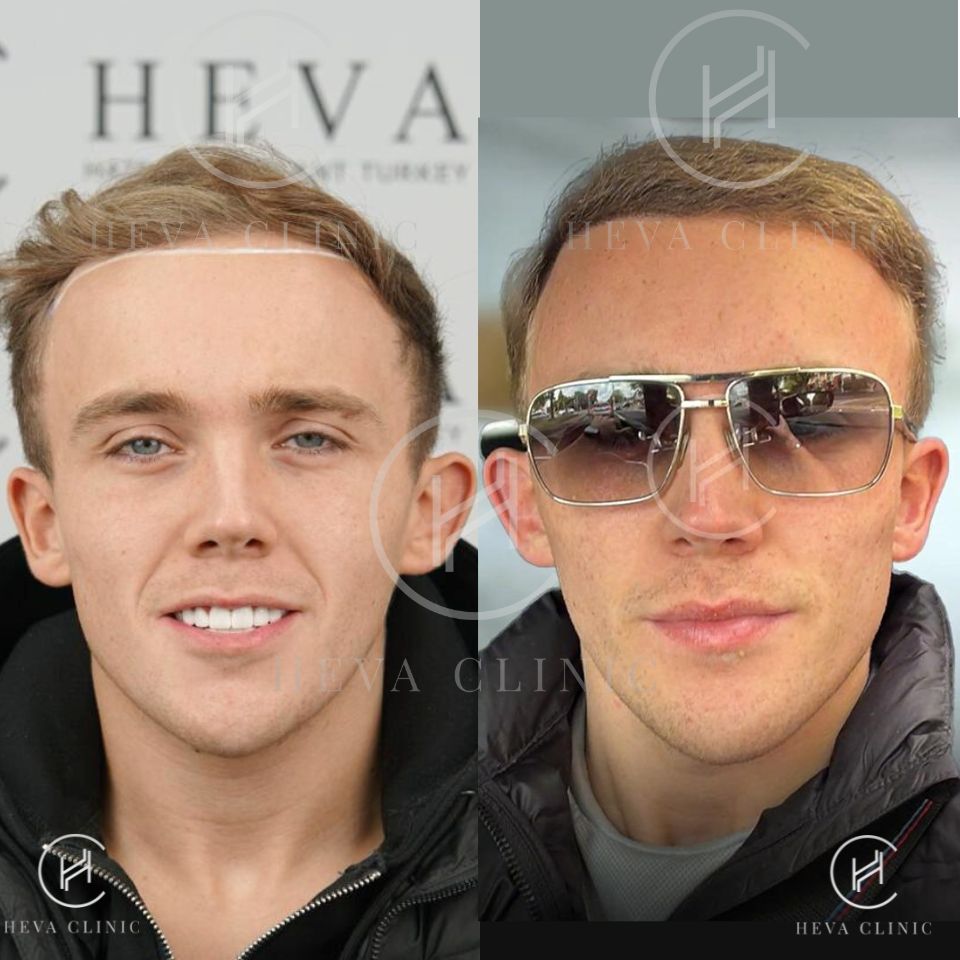
If you’ve recently noticed early signs of a receding hairline or a small bald patch, a 1000 graft hair transplant could be the perfect solution to restore your look naturally. This procedure is ideal for people with mild hair loss and can make a subtle difference without being overly invasive.
We’ll break down everything you need to know about a 1000 graft hair transplant, including who the right candidate is and what results you can expect.
Who is an ideal candidate for a 1000 grafts hair transplant?

A 1000 graft hair transplant is typically recommended for people who have early-stage hair loss or limited bald spots. It’s not meant for someone with advanced baldness, but rather for those looking to fill in small areas or improve thinning regions.
You may be an ideal candidate for this procedure if you have;
For men, this often means Norwood stages 1 to 2, where baldness is just starting to become noticeable. For women, it’s suitable for those with small patches of thinning or part-line widening. [1] [2]
Some other important factors to consider for eligibility include:
Doctors usually recommend waiting until your hair loss pattern has become stable. If you’re still losing hair rapidly, the results of your transplant might not last long because new bald spots can appear around the transplanted area.
Younger individuals, typically those below 20 years of age, are often advised to wait or consider a smaller graft session first to see how their hair loss progresses.
A 1000 graft hair transplant is a minor surgical procedure. However, certain conditions, such as diabetes and autoimmune disorders, can interfere with your recovery and increase the risk of certain complications, such as infections and graft rejection. That’s why being in good overall health is important to ensure you can see the expected results. [3]
People with uncontrolled diabetes, heart disease, or autoimmune disorders should discuss their medical history with their surgeon before the procedure. They may be advised to seek appropriate treatments to treat or control their condition in order to support recovery and increase their chances of successful outcomes.
Being in good health can also complement your body’s ability to handle the anaesthesia, heal properly, and reduce the risk of infection.
It’s important to understand that though a 1000 graft hair transplant can improve density in recipient area, it won’t create a full head of hair if you have advanced baldness.
Your surgeon will help you visualize what’s achievable with 1000 grafts so that your expectations align with reality. Having realistic expectations can help you make informed decisions and improve satisfaction with the outcomes.
What Area Do 1000 Grafts Cover?
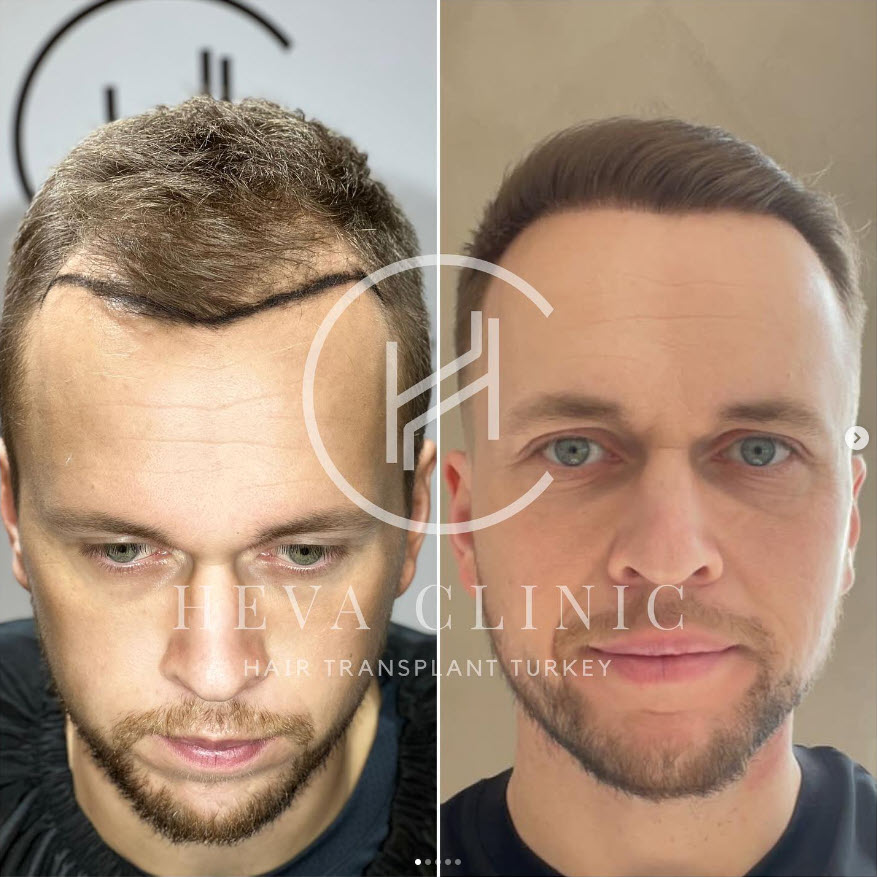
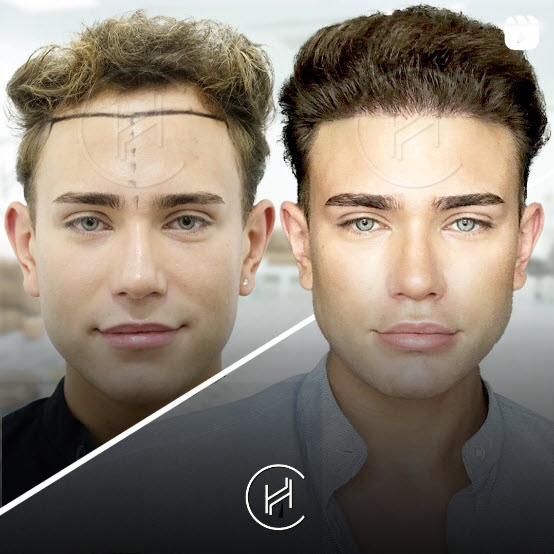
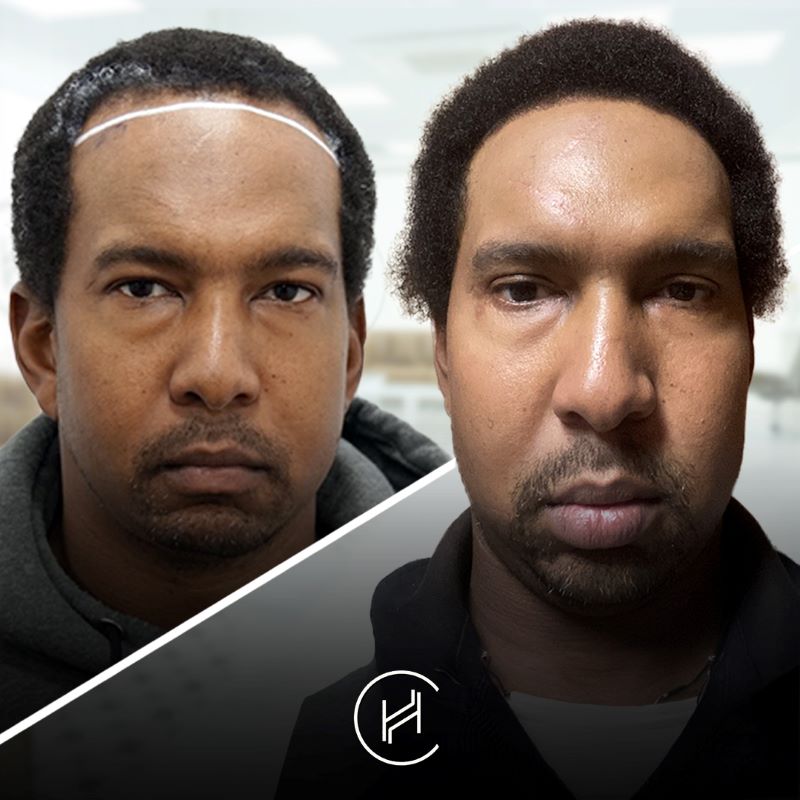
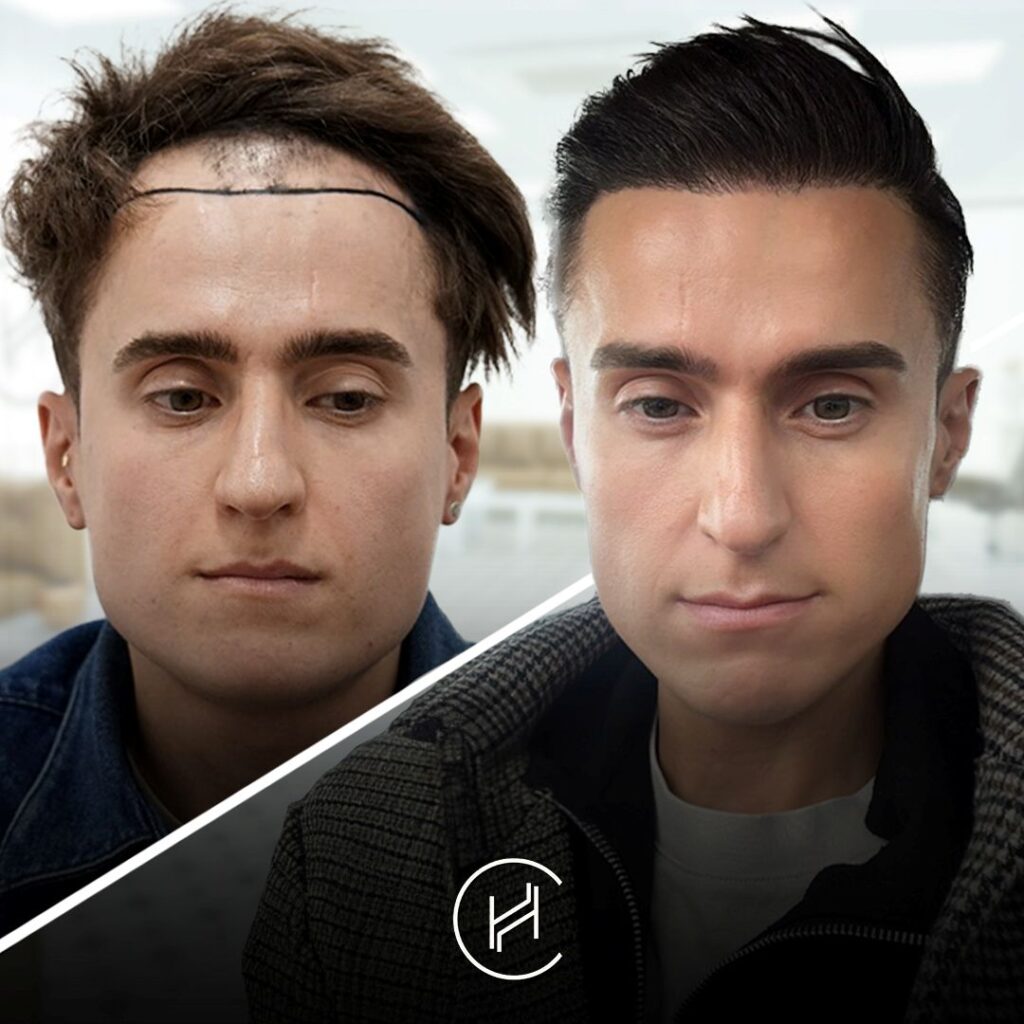
1000 grafts typically cover a small to medium-sized area as in the examples below. Each graft usually contains 2 to 3 hair follicles, meaning 1000 grafts equal around 2000 to 3000 hairs.
Coverage depends on the thickness of your existing hair and the area being treated.
Other than the hairline, a 1000-graft hair transplant is suitable for coverage of the crown area and even the beard.

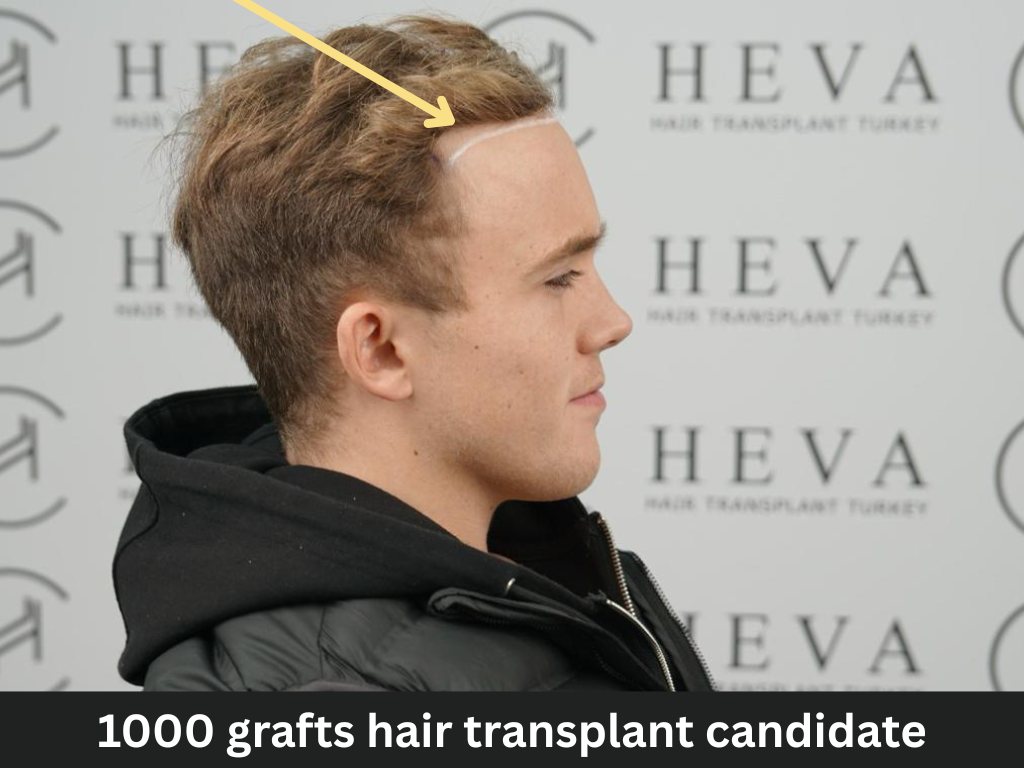
If the hair loss is concentrated in the crown area, 1000 grafts could be enough to cover mild thinning or a small bald spot in this region.
However, the crown usually requires more density to appear full. Hence, if the bald spot is larger or if the thinning is more extensive, you may need up to 1500 to 2000 grafts for complete coverage. Still, for small patches or early thinning, 1000 grafts may be sufficient for a natural-looking improvement that blends seamlessly with existing hair.
A 1000 grafts beard transplant is ideal for covering patchy cheeks, shaping the beard line, and defining the mustache area. It’s less invasive than a full transplant and provides noticeable density with minimal downtime.
Which Technique Is Suitable for a 1000 Grafts Hair Transplant?
There are two main methods used for small-to-medium hair transplant sessions: Follicular Unit Extraction (FUE) method and Direct Hair Implantation (DHI) method.
Both these methods are safe, minimally invasive, and deliver natural-looking results. Let’s have a closer look at them.

The FUE method involves extracting individual follicular units or grafts from the donor area using a micro-punch tool. Each graft is then implanted manually into the thinning or bald area.
This technique can be performed either shaved or unshaven. It does not leave any visible linear scar, which is ideal for those who prefer shorter hairstyles or want a more discreet result. The healing process is faster, and patients usually experience minimal discomfort after the procedure. [4] [5]
The FUE method offers a high-precision approach. It is suitable for smaller sessions, including a 1000-graft hair transplant, where the goal is to increase density in targeted areas.
The results are long-lasting. The grafted hairs can blend seamlessly with your existing hair, giving you a natural appearance.
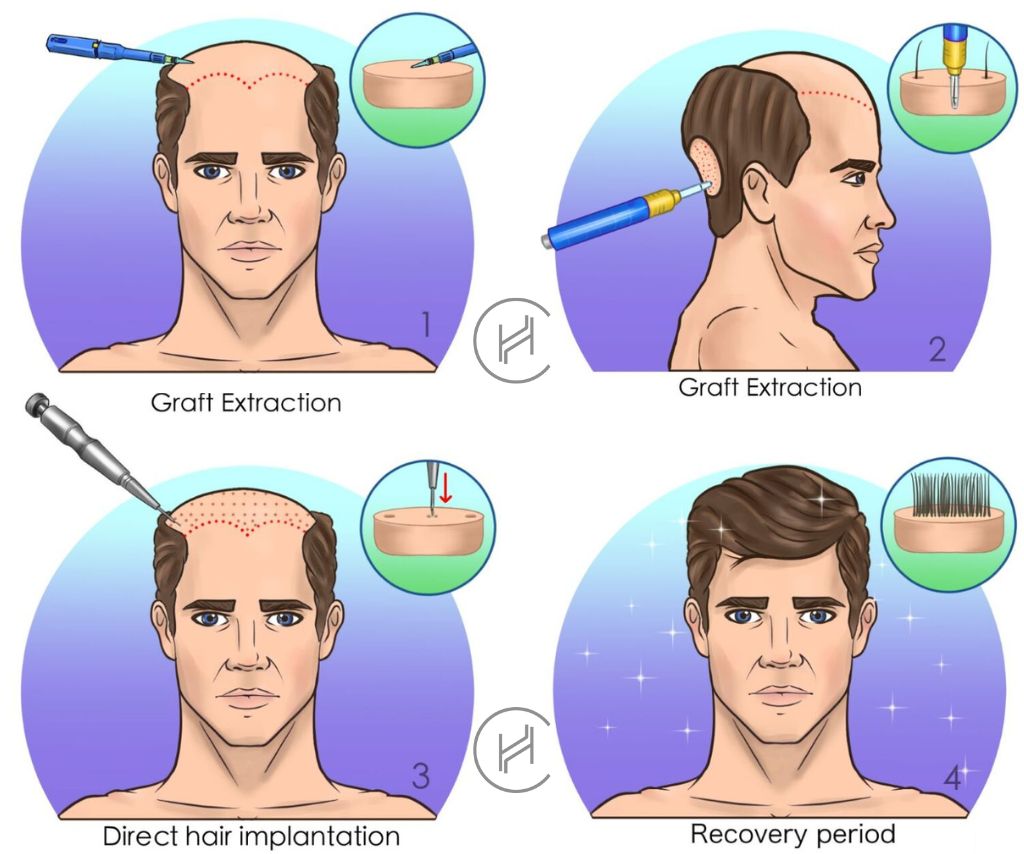
DHI (Direct Hair Implantation) technique is a more advanced form of FUE. In this method, hair follicles are extracted and immediately implanted using a specialized pen-like tool. This means there’s no need to create recipient channels in advance. This reduces handling time and increases the chances of graft survival. [6]
The DHI technique allows for greater precision and control over hair density, ensuring a more natural and uniform look if the area is small. Additionally, DHI causes less trauma to the scalp. This helps support faster healing and minimizes post-procedure discomfort.
Watch Dr. Yasin Ilgaz explain the difference between FUE and DHI
How Does the 1000 Grafts Hair Transplant Procedure Work?
The procedure typically involves three main stages.
Before surgery, you’ll meet with your hair transplant specialist to discuss your goals, medical history, and hair loss pattern. The surgeon will examine your donor and recipient areas, estimate how many grafts are needed, mark the areas for transplantation, and take pre-operative photos for reference.
You’ll also be given instructions to follow before the procedure, such as avoiding alcohol, smoking, and caffeine for a few days.
On the day of surgery, the donor area (usually the back or sides of your head) is numbed using local anaesthesia.
The surgeon uses a micro-punch tool to extract each follicular unit carefully. The grafts are then placed in a special solution to keep them hydrated and alive until implantation. The exact procedure varies depending on the method chosen for the transplant.
Once enough grafts have been collected, the surgeon will implant them into the recipient area following your natural hair growth pattern. Each graft is placed with precision to ensure a natural hairline and even density.
The process can take several hours, depending on the number of grafts and the technique used.
After the procedure, your scalp may feel slightly sore. In addition, tiny scabs may form around the grafts. However, this is normal and considered a part of the healing process.
How Long Does This Procedure Take?
A 1000 grafts hair transplant typically takes around 5 to 6 hours to complete, depending on the technique (FUE or DHI) and the surgeon’s speed and expertise.
Since it’s a smaller session, all patients are able to go home the same day. Some people even return to work within a few days, although it’s best to rest for at least 48 hours to avoid disturbing the newly implanted grafts.
Can a Single Session Cover 1000 Grafts?
Yes, a 1000- raft transplant can easily be done in a single session.
It is a small-scale transplant so most clinics prefer to complete it in one sitting for efficiency and patient comfort. The short duration also reduces the need for anaesthesia and speeds up recovery time after the operation.
How Much Does a 1000 Grafts Hair Transplant Cost?
The cost of a 1000 graft hair transplant can vary significantly depending on the country, clinic reputation, and the technique used.
In Turkey, the price typically ranges between $2400 and $3500, making it one of the most affordable destinations for high-quality hair transplants. Turkish clinics are well known for offering advanced techniques, including FUE and DHI, at a much lower cost without compromising on results or safety standards.
Overall, hair transplant prices in Turkey makes it the best balance of affordability, medical expertise, and patient satisfaction, attracting thousands of international patients every year seeking natural, long-lasting results at competitive prices.
Remember, the goal isn’t to find the cheapest option, but to find a clinic with experienced surgeons, a strong reputation, and the highest safety standards.
How Long Is the Recovery Period?
During the first two weeks, it is normal to experience some scabbing, redness, and minor shedding in the transplanted area. These are temporary effects as the scalp begins to heal.
Starting from week 2-3, the transplanted hairs may fall out, a phase known as “shock loss.” This is a natural part of the process and not a sign of failure.
Within three to six months, new hairs begin to grow, though they may initially appear thin.
Between six and twelve months, there will be clear improvement in hair density as the new follicles continue to thicken and mature.
By 12 to 18 months, the final results become fully visible, revealing a fuller, more natural-looking appearance.
Frequently Asked Questions
How many hairs is 1000 grafts?
A graft is a small piece of tissue that contains one or more hair follicles. In most people, each graft contains two to three hairs, although this can vary slightly depending on genetics and hair type.
This means that 1000 grafts typically translate to 2000 to 3000 individual hairs.
Is this surgery safe?
Yes, a 1000 grafts hair transplant surgery is considered safe when performed by an experienced surgeon in a reputable and licensed clinic. The procedure is minimally invasive, especially when modern methods like FUE or DHI are used.
These techniques involve tiny incisions and do not leave large scars, which makes recovery much faster.
Some common side effects, such as mild redness, swelling, or temporary scabbing, may appear. However, these symptoms are mild and usually subside within a few days. Overall, the risk of complications is low, and most people can return to work within a couple of days.
Conclusion
A 1000 grafts hair transplant is a simple, effective, and minimally invasive procedure that can enhance your appearance, especially if you’re in the early stages of hair loss.
It’s ideal for filling in small bald patches, improving density, or shaping your hairline and beard. With modern techniques like FUE and DHI, you can expect natural, long-lasting results and minimal downtime.
If you’re thinking about a 1000 grafts hair transplant, you can book a consultation with our medical team. They’ll assess your hair loss pattern, donor area, and overall health and design a personalized plan to help you regain your hair and improve your appearance.
References:
- https://pmc.ncbi.nlm.nih.gov/articles/PMC4812885/
- https://pmc.ncbi.nlm.nih.gov/articles/PMC5916388/
- https://pmc.ncbi.nlm.nih.gov/articles/PMC6371733/
- https://pmc.ncbi.nlm.nih.gov/articles/PMC11566358/
- https://pubmed.ncbi.nlm.nih.gov/31624428/
- https://pmc.ncbi.nlm.nih.gov/articles/PMC3764754/